This morning:
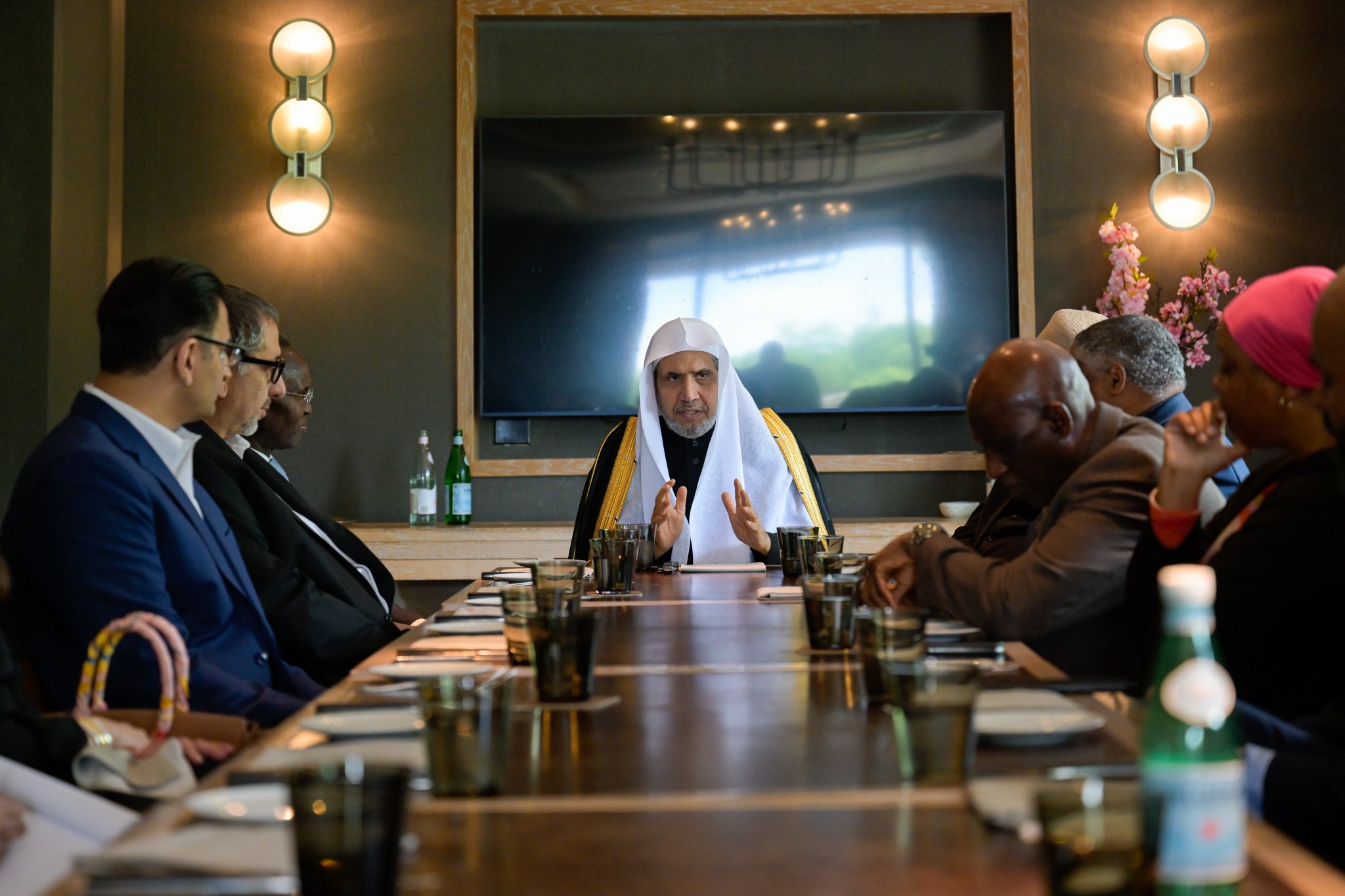
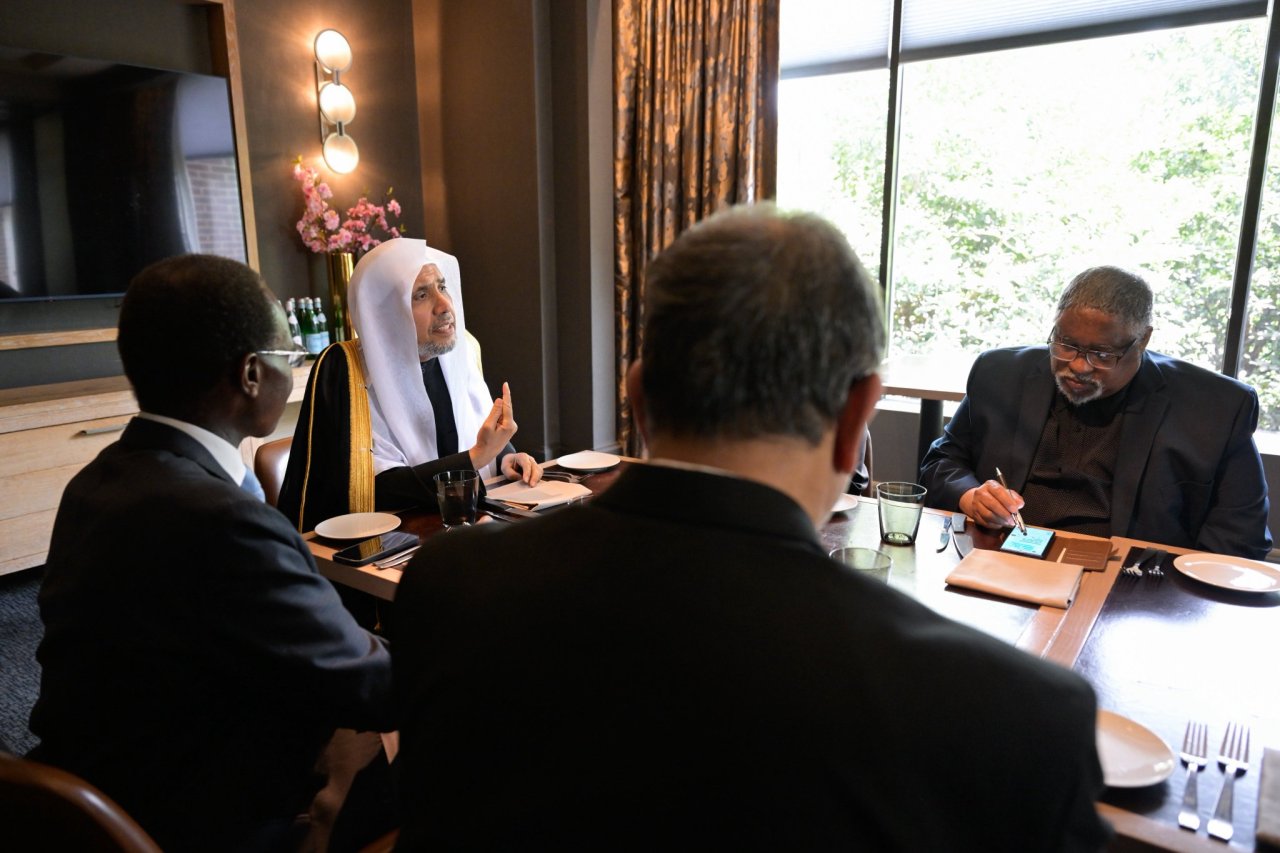
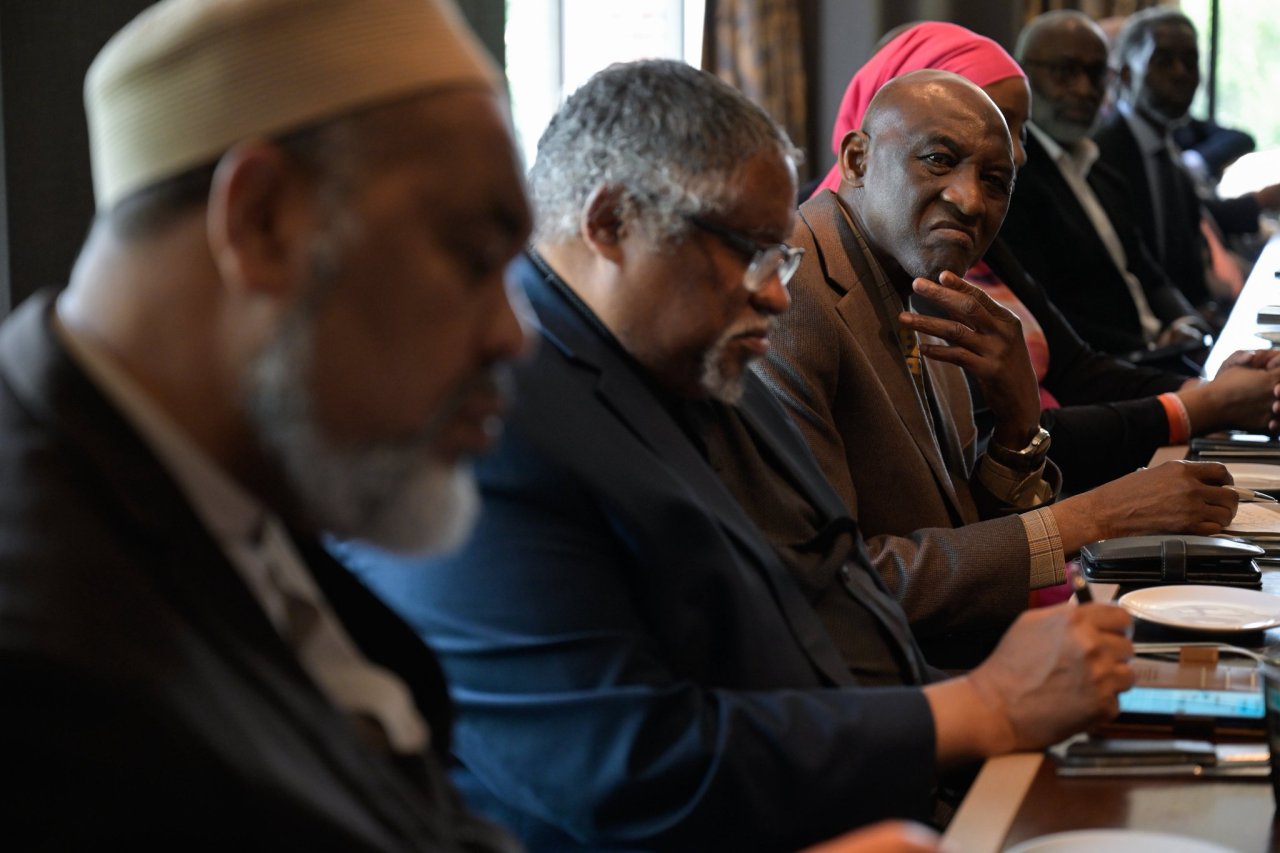
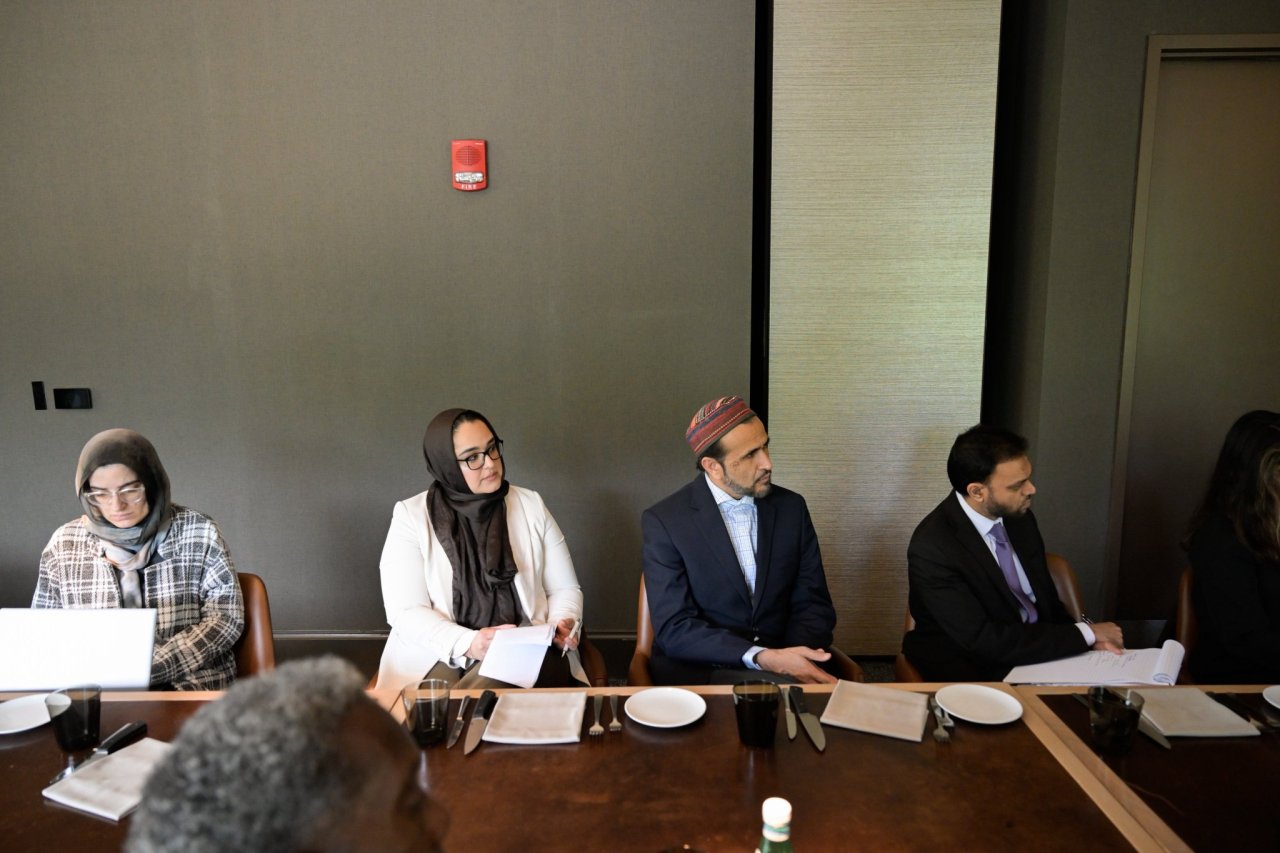
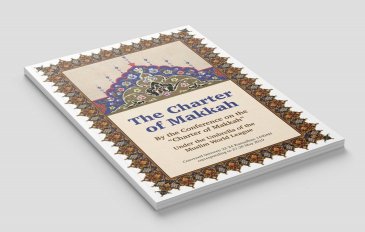
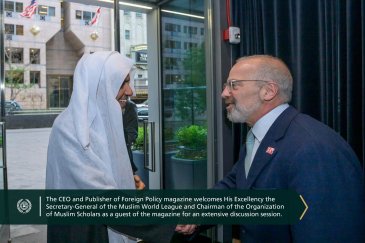
His Excellency Sheikh Dr. Mohammed Al-Issa, Secretary-General of the Muslim World League (MWL) and Chairman of the Organization of Muslim Scholars, chaired in the U.S. capital, Washington, the third session of the Council of Islamic Leaders in North and South America. The council was established in light of the principles of the Charter of Makkah following its founding conference held in Washington, D.C., in March 2022, attended by Islamic leaders from across the Americas, as well as supportive participants in its closing session, including U.S. government officials, legislators, and leaders of religious diversity.
His Excellency was selected by the leaders of the founding conference to serve as chairman of the council, given that the council is based on the Charter of Makkah, was established at his initiative, and because he represents a point of consensus among all parties. This also takes into account the participation of influential and supportive Muslim figures from outside the Americas, similar to comparable centers, councils, and organizations.
During the council session, the topics presented by the chairman and members were discussed, including:
1- The issue of religious and national identity, where His Excellency affirmed that there is no contradiction between the two within civilized constitutions and laws that respect religious particularities, and that extremist ideologies are the ones that manufacture such a conflict.
His Excellency also praised the American Muslim community for distancing itself from the agendas of extremist groups, whose radicalism has reduced the great religion of Islam to narrow political objectives and misguided perceptions.
His Excellency further noted that the American Muslim community is a source of pride within the broader Islamic world, as it has embodied the values of religious moderation through its tolerance, coexistence, wisdom, and exemplary conduct — particularly its respect for public order and the law. He also commended what he observed of its active contribution to strengthening social cohesion, as reflected in its distinguished relationships with the wider fabric of society.
2- The issue of hatred in general, and Islamophobia in particular, where he emphasized that civilized constitutions and laws do not permit hateful practices. He expressed his appreciation for the engagement of the Muslim community in addressing voices, slogans, and acts of hatred, regardless of their source or the religions and ethnicities they target.
3- The discussion of a number of Islamic terms and the misconceptions surrounding them, with an emphasis on the need to correct such misunderstandings. Drawing on his international surveys and observations, His Excellency reviewed several related terms, explaining in detail examples of how they have been misunderstood, and outlining — through scholarly analysis supported by textual evidence and historical context — the best ways to address these misconceptions.